
Titanic Tragedy - The Mother and the Shark #shark #titanic #ocean #baby
In 2025, artificial intelligence is no longer a futuristic concept — it’s a daily driver of productivity, creativity, and connectivity. At Smart Web & AI Resources, we explore the most powerful AI tools and smart web platforms that are reshaping how individuals and businesses operate online. Whether you're a content creator, developer, or digital entrepreneur, these tools can help you work faster, think deeper, and innovate smarter.

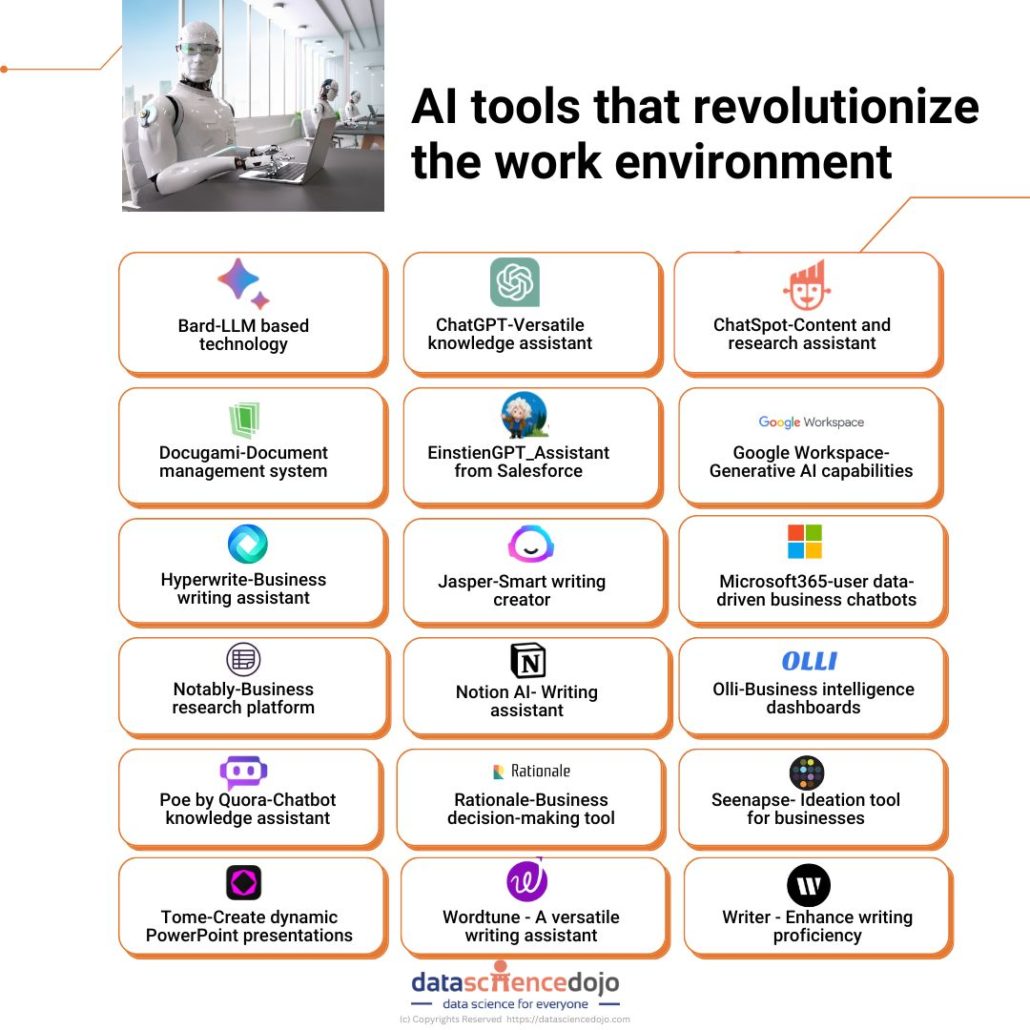
Here are the most talked-about AI platforms that are transforming the digital landscape:
According to Exploding Topics, ChatGPT leads the AI tool race with over 321 million monthly visits, followed closely by Canva, DeepL, and Gemini.

Beyond AI, smart web platforms are enabling seamless workflows, automation, and collaboration:
As noted by Analytics Insight, these platforms are not just tools — they’re digital co-pilots that adapt to your workflow and amplify your output.
Traditional software often required manual input, static templates, and repetitive tasks. In contrast, AI-enhanced platforms offer:
Whether you're managing a business, building a brand, or streamlining your personal productivity, these tools offer a competitive edge in a digital-first world.
The future of the internet is intelligent, intuitive, and interconnected. By leveraging the latest AI tools and smart web platforms, users can unlock new levels of efficiency, creativity, and insight. At Smart Web & AI Resources, we’ll continue to spotlight the innovations that matter most — helping you stay ahead in the ever-evolving world of tech.
Follow Us: For more updates, stories, and partner links — visit our official Facebook Page and explore Our Sister Sites.

Artificial Intelligence (AI) is no longer a futuristic concept—it’s a powerful reality driving the modern digital ecosystem. From AI content generators to smart automation tools and website builders, the web has evolved into a landscape where intelligent technology meets human creativity. Today, AI-powered web tools are redefining how we write, design, analyze, and connect online.
This article explores how smart web and AI resources are revolutionizing technology, content creation, and online business efficiency—while helping both professionals and beginners stay ahead in the digital age.
In the past, building a website or creating content required deep technical knowledge and hours of manual work. Now, intelligent platforms handle most of the heavy lifting. From drag-and-drop website builders to AI assistants that write entire blog posts, automation tools make productivity faster and smarter.
These technologies allow creators and small businesses to compete with enterprise-level efficiency, without needing a large team or coding skills.

AI is transforming how content is written, edited, and distributed. Whether you’re managing a blog, an eCommerce site, or a YouTube channel, AI tools can boost productivity while maintaining creativity and authenticity.
According to OpenAI, generative models now assist millions of users daily, proving that AI is a true partner in digital storytelling and business growth.
For developers, marketers, and designers, AI-powered web tools streamline every step of digital work. Here’s a breakdown of the most popular categories:
By integrating these tools, professionals can focus more on creativity and strategy rather than routine technical work.

| Aspect | AI Tools | Traditional Methods |
|---|---|---|
| Speed | Instant results using automation | Time-consuming manual effort |
| Cost | Low subscription-based models | High hiring or service costs |
| Accuracy | Data-driven and consistent | Prone to human error |
| Creativity | Generates multiple variations fast | Dependent on personal skill |
| Scalability | Easily handles large projects | Limited by manpower |
While AI tools offer unmatched efficiency, human intuition and emotional intelligence remain irreplaceable in storytelling and creative branding.
AI has revolutionized digital marketing by bringing personalization and automation to the forefront. Marketers now use predictive analytics to target the right audience and measure ROI effectively. AI chatbots, smart analytics, and customer segmentation tools ensure that every message hits the right note.
With AI-driven data insights, businesses can make smarter decisions and achieve higher marketing returns with less effort.
Despite its benefits, AI tools must be used responsibly. Data privacy, originality, and accuracy are key challenges. Users should verify AI-generated outputs and ensure compliance with copyright and ethical standards.
To maintain authenticity:
The future is a seamless blend of human intelligence and artificial power. Emerging innovations like quantum computing, edge AI, and 5G-enabled automation will enhance real-time decision-making. The web will continue to evolve into a smarter, faster, and more intuitive digital space where every user can build, create, and grow effortlessly.
In this evolution, staying informed about new AI tools and platforms will be the key to digital success.
AI is not here to replace humans—it’s here to empower us. By combining smart web tools with creative thinking, anyone can transform ideas into impactful digital experiences. The future belongs to those who learn, adapt, and evolve with technology.
Follow Us: For more updates, stories, and partner links — visit our official Facebook Page and explore Our Sister Sites.
In the world of **Computers & Electronics** and **AI content**, Large Language Models (LLMs) like ChatGPT and Gemini have become indispensable. However, you've likely noticed a critical flaw: they sometimes "hallucinate," confidently providing incorrect or outdated information. This is where a revolutionary approach called **Retrieval-Augmented Generation (RAG)** steps in, transforming these powerful **tech tools** from fluent guessers into informed, factual assistants.
At **Smart Web & AI Resources**, we track the core **AI content** and **websites** innovations that are shaping the future. RAG technology is arguably the most important evolutionary leap in making AI reliable, relevant, and trustworthy, fundamentally changing how we access and use information on the web.

To understand RAG, we first need to understand the limitation of a traditional LLM. A standard LLM is trained on a massive, static dataset (the entire internet up to a certain cutoff date). When you ask it a question, it predicts the most statistically probable next word based on that stored knowledge. It doesn't actually "know" facts; it generates language patterns.
This "closed-book" approach leads to several weaknesses:
For more on the technical definition of hallucination in AI and its limitations, the Wikipedia article on AI Hallucination offers a concise overview.

*Image Prompt: Abstract depiction of data and AI processing a complex query.*
Retrieval-Augmented Generation (RAG) transforms the LLM into an "open-book" system. Instead of relying solely on internal, static memory, RAG grants the AI the ability to look up information from an external, curated knowledge base *before* formulating an answer. This process happens in two sequential stages:
The RAG framework utilizes a specific type of **Smart Web & AI Resources**—namely, searchable databases:
This allows the AI to provide answers grounded in verifiable, current, and domain-specific facts, making the resulting **AI content** exponentially more accurate.
RAG is quickly becoming the backbone for serious **AI content** applications. Here is a review of how RAG enhances two critical use cases compared to older, purely generative methods:
| Application | Traditional LLM Approach | RAG Approach (Smart Web Resources) |
|---|---|---|
| **Customer Service Chatbot** | Answers based on public internet training data; frequently provides wrong product specs. | Retrieves data from the company's private, up-to-date knowledge base (manuals, FAQs) for accurate, current answers. |
| **Scientific Research Assistant** | Provides a generalized summary of a topic based on old papers; risks citation errors. | Retrieves quotes and data points from a vector database of *new* scientific journals, offering verifiable citations. |
**Recommendation:** For any application where factual accuracy is paramount (finance, law, or specific **Computers & Electronics** support), RAG is the essential enabling **technology**.
*Image Prompt: Close-up of hands working on a digital interface with technical code or data.*
The power of RAG lies in its flexibility. Because the retrieval step can target any knowledge base, it allows users to create deeply personalized **Smart Web & AI Resources**.
Imagine:
The shift is from a single, generic AI model to an infinite number of highly specialized, fact-checking assistants. This is the **fitness innovation** we needed to make AI an truly reliable **tech tool** for professional use.
To follow the ongoing development and industry adoption of RAG systems, the official announcements and engineering blogs from major AI research labs, such as Google AI Research, provide the latest insights.

*Image Prompt: Collaborative work on a large digital screen with abstract data.*
RAG is more than just a technical tweak; it is a foundational upgrade that shifts the focus of **AI content** from mere fluency to verifiable accuracy. For anyone building a robust digital workflow, integrating RAG-powered systems means access to intelligent **tech tools** that can finally be trusted with mission-critical information.
The days of tolerating "AI hallucinations" are numbered. The future of **Smart Web & AI Resources** is factual, informed, and firmly grounded in a real-time, curated knowledge base, delivering truly intelligent **Computers & Electronics** solutions to the web.
Follow Us: For more updates, stories, and partner links — visit our official Facebook Page and explore Our Sister Sites.
In 2025, the digital landscape is evolving faster than ever. Artificial intelligence (AI) and smart web technologies are reshaping how we work, create, and connect. At Smart Web & AI Resources, we explore the most impactful tools and platforms driving innovation across computers, electronics, and online content. Whether you're a developer, content creator, or tech enthusiast, staying updated with the latest resources is essential for success in today’s intelligent ecosystem.
AI tools are no longer niche — they’re mainstream. From writing assistants to design generators, here are the most popular and powerful AI platforms this year:
According to Exploding Topics, ChatGPT alone receives over 321 million monthly visits, making it the most used AI tool globally.
Beyond AI, smart web platforms are empowering users to build, automate, and monetize digital experiences. Here are some standout resources:
For a full directory of over 500 AI tools, check out Insidr.ai’s AI Tools Directory.
Traditional workflows often rely on manual input, repetitive tasks, and static tools. In contrast, AI-enhanced workflows offer:
Whether you're building a website, writing a blog, or managing a business, integrating smart tools can dramatically improve efficiency and output.
2025 is the year of intelligent transformation. With AI tools and smart web platforms becoming more accessible, users across industries can unlock new levels of productivity, creativity, and growth. At Smart Web & AI Resources, we’re committed to helping you discover, understand, and leverage the best tech tools available. Stay curious, stay updated, and embrace the smart future.
Follow Us: For more updates, stories, and partner links — visit our official Facebook Page and explore Our Sister Sites.
The world of technology is evolving faster than ever. Artificial Intelligence (AI) is no longer just a futuristic dream—it’s the driving force behind modern digital transformation. From AI writing assistants to website builders and productivity enhancers, today’s smart web tools are reshaping how we work, create, and connect online.

AI isn’t just about robots or self-driving cars anymore. It’s embedded in the apps and websites we use daily. Whether you’re using Google’s AI features to refine search results or employing an AI content creator to draft blog posts, machine intelligence now fuels almost every online experience.
These tools don’t replace creativity—they amplify it. By automating repetitive work, AI lets creators focus more on strategy, design, and innovation.
AI-driven content tools are helping brands stay consistent and SEO-friendly. Platforms now analyze tone, grammar, and readability, ensuring every blog or social post meets high standards. For instance, Variety’s tech coverage highlights how creative professionals use AI tools to enhance storytelling and audience engagement.

With smart platforms like SurferSEO, Writesonic, and Copy.ai, marketers now have real-time insights to boost ranking and reach. These tools analyze top-performing keywords, backlinks, and competitors—offering an edge that was once reserved for advanced SEO specialists.
Choosing the right AI tool depends on your goal. Here’s a quick review and comparison of some trending solutions:
Each of these platforms showcases how AI simplifies the creative process while delivering professional-grade results.
The future of technology isn’t man versus machine—it’s man with machine. AI tools will continue to evolve, blending human intuition with data precision. Soon, creators will use adaptive AI systems that learn individual preferences, voice styles, and workflows, making every project smoother and faster.

To stay ahead, tech enthusiasts and professionals must embrace AI—not as a competitor but as a creative partner.
AI is not replacing us—it’s empowering us. From automating tedious tasks to inspiring new ideas, smart web and AI resources are making technology more accessible than ever. The secret to success lies in learning how to collaborate with these intelligent tools to create a future where humans and AI thrive together.
Follow Us: For more updates and related stories, visit our official Facebook Page.
In today's fast-evolving digital world, staying ahead means embracing the latest advancements in technology and artificial intelligence (AI). From enhancing productivity to revolutionizing content creation, tech tools and AI innovations are reshaping how we interact with computers, websites, and electronic devices. At Smart Web & AI Resources, we are dedicated to bringing you the best insights and updates on these transformative technologies.
AI content generation has surged in popularity, empowering creators, marketers, and businesses to produce high-quality material quickly and efficiently. These tools leverage natural language processing (NLP) and machine learning to generate articles, social media posts, and even complex reports.
Speed, cost-efficiency, and consistency in output.
Platforms like Jasper AI, Copy.ai, and Writesonic are leading the market.
Blog writing, SEO optimization, email campaigns, and creative storytelling.
However, while AI tools are powerful, human oversight remains critical to ensure content authenticity and to maintain a natural tone, avoiding robotic or repetitive language.

Building efficient and user-friendly websites requires an arsenal of robust tech tools. From code editors to design frameworks, these resources simplify development and enhance functionality.
Visual Studio Code and Sublime Text offer extensive customization and plugin support.
React.js and Vue.js dominate frontend development for dynamic user interfaces.
Google's Lighthouse helps optimize website speed and SEO.
Investing time in mastering these tools can significantly improve your website’s performance and user experience, critical factors for both user retention and search engine ranking.

The computer and electronics industry continues to innovate rapidly, with new trends shaping how we work, play, and connect.
Processing data closer to the source for faster, real-time insights.
Although still emerging, it promises breakthroughs in complex problem-solving.
Devices like smartwatches and AR glasses are becoming mainstream tools.
These trends highlight the convergence of hardware and software, opening exciting possibilities for the future.

Here’s a quick comparison of three leading AI content tools:
Pros - Highly versatile, large template library; Cons - Higher cost, learning curve.
Pros - User-friendly, affordable; Cons - Sometimes less detailed output.
Pros - Fast generation, good for marketing content; Cons - Occasional repetition.
For beginners, Copy.ai offers an excellent balance of ease and affordability. For advanced users looking for more control and features, Jasper AI is a strong choice. Writesonic suits marketers needing quick, varied content options.
Embracing the latest tech tools and AI innovations is essential for anyone looking to thrive in the digital age. Whether you are a content creator, developer, or tech enthusiast, staying informed about these advancements can enhance your skills and productivity. At Smart Web & AI Resources, we continue to explore and share the best resources to help you harness the power of technology effectively.
Stay tuned for more updates and in-depth guides to keep you at the forefront of the tech world.
For further reading on AI developments, visit Wikipedia AI Overview and for an overview of modern web technologies, check out MDN Web Docs.

The landscape of content creation has undergone a seismic shift over the past few years. AI writing assistants have evolved from novelty tools into sophisticated platforms that are reshaping how we approach writing, editing, and content strategy. Whether you're a blogger, marketer, student, or business professional, understanding the current state of AI writing tools is essential for staying competitive in 2025.
The technology has matured significantly beyond simple text generation. Today's AI writing assistants offer contextual understanding, style adaptation, fact-checking capabilities, and seamless integration with existing workflows. But with dozens of options flooding the market, how do you choose the right tools for your needs? Let's dive into what makes modern AI writing assistants truly valuable.
To appreciate where we are today, it's worth looking at how far we've come. Early AI writing tools were essentially sophisticated autocomplete systems—they could finish sentences and generate basic text, but often produced generic, repetitive content that required heavy editing.
According to natural language processing research, modern AI writing assistants leverage advanced transformer models that understand context, tone, and intent at a much deeper level. They can adapt their writing style to match your voice, maintain consistency across long documents, and even identify potential factual errors or logical inconsistencies.
The shift from simple text generation to intelligent writing partnership represents a fundamental change in how these tools should be evaluated and used. They're no longer just about speed—they're about enhancing the quality and effectiveness of human creativity.

Not all AI writing tools are created equal. Here are the essential features that separate genuinely useful assistants from glorified text generators:
The AI writing assistant market has fragmented into specialized niches, each serving different use cases:
General-purpose writing assistants handle everything from emails to essays, offering broad functionality without deep specialization. These work well for individuals and small teams who need versatility.
Content marketing platforms focus specifically on blog posts, social media content, and marketing copy. They typically include SEO tools, headline generators, and audience targeting features.
Academic writing tools emphasize research integration, citation management, and formal writing standards. These cater to students, researchers, and academic professionals.
Business communication assistants specialize in professional correspondence, reports, and presentations. They understand corporate tone and can adapt to different business contexts.
Creative writing companions assist with fiction, poetry, and storytelling, offering features like character development, plot suggestions, and style analysis.
Setting realistic expectations is crucial for getting the most value from AI writing assistants. These tools excel at certain tasks while remaining limited in others.
AI writing assistants are excellent for overcoming writer's block, generating first drafts, rephrasing awkward sentences, creating variations of existing content, structuring information logically, and maintaining consistent tone across long documents.
However, they struggle with highly specialized technical knowledge, nuanced understanding of specific industries or communities, creating truly original insights or arguments, understanding subtle cultural contexts, and replacing the critical thinking that comes from human experience and expertise.
The most successful users treat AI writing assistants as collaborative partners rather than replacement writers. They leverage AI for efficiency while applying human judgment, creativity, and expertise to ensure quality and authenticity.

As AI writing tools become more integrated into our workflows, privacy and ethical questions deserve serious attention. Different platforms handle user data differently, and understanding these policies is essential, especially if you're working with sensitive or proprietary information.
Look for tools that offer clear data retention policies, encryption for stored content, options to opt out of training data, transparent terms of service, and compliance with relevant data protection regulations like GDPR.
There's also the ethical consideration of disclosure. As noted by web standards organizations, transparency about AI-assisted content creation is becoming increasingly important. Many professional contexts now expect or require disclosure when AI tools play a significant role in content creation.
The best AI writing assistant is the one that fits seamlessly into your existing workflow. Consider how tools integrate with platforms you already use—word processors, content management systems, email clients, and project management software.
Browser extensions offer convenience for quick tasks like email responses or social media posts. Desktop applications provide more robust features for long-form writing. Cloud-based platforms enable collaboration and access from multiple devices. API access allows custom integrations for tech-savvy users or development teams.
The key is finding the balance between power and accessibility that matches your specific needs and technical comfort level.
Free/Freemium Models:
Subscription-Based Professional Tools:
Enterprise Solutions:
Recommendation: For most individual users and small teams, starting with a well-regarded freemium tool to understand your needs makes sense, then upgrading to a paid subscription once you've identified which features matter most to your workflow. Enterprise solutions only make sense for larger organizations with specific collaboration and security requirements. The key is matching the tool's capabilities to your actual use case rather than paying for features you won't use.
AI writing technology continues to evolve rapidly. Emerging trends include better multimodal capabilities that combine text with images and data visualization, improved personalization that learns individual writing styles more effectively, real-time collaborative editing with AI suggestions visible to all team members, and enhanced fact-checking with automatic citation and source verification.
We're also seeing movement toward specialized vertical solutions—AI assistants trained specifically for legal writing, medical documentation, technical writing, and other professional domains that require deep expertise.
AI writing assistants have matured into legitimate productivity tools that, when used thoughtfully, can significantly enhance content creation workflows. The key to success isn't finding the "perfect" tool—it's understanding how these technologies complement rather than replace human creativity and judgment.
The most effective approach treats AI writing assistants as exactly what they are: assistants. They handle the mechanical aspects of writing, generate options, and help overcome creative blocks, while humans provide the direction, critical thinking, and final polish that transforms good content into great content.
As you explore AI writing tools in 2025, focus on finding solutions that align with your specific needs, respect your privacy, and integrate smoothly into your existing workflow. Test multiple options, pay attention to how they handle your particular writing challenges, and don't be swayed by marketing hype about capabilities that don't match your actual requirements.
The AI writing assistant revolution isn't about replacing writers—it's about empowering them with tools that make the writing process more efficient, enjoyable, and effective. By approaching these tools with realistic expectations and a clear understanding of their strengths and limitations, you can harness their power while maintaining the authenticity and quality that only human creativity can provide.
Artificial intelligence has fundamentally changed how we create, edit, and optimize digital content. Whether you're a blogger, marketer, designer, or developer, AI-powered tools are now essential components of any modern workflow. In this comprehensive guide, we'll explore seven cutting-edge AI tools that are reshaping the content creation landscape and helping professionals work smarter, not harder.

The digital content space has become incredibly competitive. Content creators face constant pressure to produce high-quality material quickly while maintaining originality and engagement. AI tools address these challenges by automating repetitive tasks, generating creative ideas, and optimizing content for maximum impact. According to Wikipedia's overview on Artificial Intelligence, AI systems can now perform tasks that typically require human intelligence, including visual perception, speech recognition, and decision-making.
What makes 2025 particularly exciting is that AI tools have evolved beyond simple automation. They now understand context, maintain brand voice consistency, and can collaborate with humans in genuinely creative ways.
Modern AI writing tools go far beyond basic grammar checking. They can help you craft entire articles, generate outlines, suggest engaging headlines, and even adapt your writing style to match your target audience. These platforms use large language models trained on vast amounts of text data to understand context and generate human-like content.
Text-to-image AI tools have revolutionized visual content creation. Designers and non-designers alike can now create stunning, original images simply by describing what they want in natural language. These tools are perfect for blog featured images, social media graphics, product mockups, and more.

Video content dominates social media, but traditional video editing is time-consuming and requires specialized skills. AI-powered video tools democratize video creation by automating editing, adding captions, generating transitions, and even creating entire videos from scripts or blog posts.
Podcasters, video creators, and content marketers are leveraging AI voice tools for everything from narration to translation. These tools can clone voices, remove background noise, generate realistic speech from text, and transcribe audio with impressive accuracy.
Getting your content discovered requires strategic SEO optimization. AI-powered SEO tools analyze search trends, suggest keywords, optimize meta descriptions, and provide actionable recommendations to improve your content's ranking potential. These platforms understand search intent better than ever, helping you create content that actually answers what users are looking for.

With so many AI tools available, choosing the right ones can be overwhelming. Here's what to evaluate when selecting AI tools for your content creation workflow:
Pros:
Cons:
To get the most value from AI tools while maintaining quality and authenticity, follow these best practices:
As AI technology continues to advance, we can expect even more sophisticated tools that understand nuance, emotion, and complex creative requirements. The key for content creators is to embrace these tools as collaborators rather than competitors. The most successful creators in 2025 and beyond will be those who skillfully blend AI efficiency with human creativity, insight, and strategic thinking.
The democratization of content creation through AI means that anyone with ideas and dedication can produce professional-quality content. However, this also means the bar for standing out continues to rise. The winners will be those who use AI to amplify their unique perspectives rather than replace them.
AI tools have become indispensable allies in the content creation process. From writing and design to video production and SEO optimization, these technologies enable creators to work more efficiently while maintaining quality. The key is to choose tools that align with your specific needs, invest time in learning how to use them effectively, and always maintain the human touch that makes content truly engaging and valuable.
As we move forward, the question isn't whether to use AI tools, but how to use them most effectively. Start by experimenting with one or two tools in areas where you need the most help, then gradually expand your AI toolkit as you become more comfortable. Remember, the goal is to enhance your creativity and productivity, not to replace your unique voice and perspective.
The future of content creation is here, and it's powered by the perfect collaboration between human creativity and artificial intelligence.
I used to have 15 tabs open just to write a single article—research in one, grammar check in another, image editing in a third. Then I discovered browser-based AI tools that work alongside me, and my workflow transformed overnight. These aren't just fancy chatbots; they're intelligent co-pilots that live in your browser, understand what you're working on, and provide real-time assistance.
The most exciting AI revolution isn't happening in distant data centers—it's happening right in your Chrome or Firefox tab. From writing assistants that know your context to research tools that summarize entire websites instantly, these browser extensions are making us exponentially more productive without the learning curve of complex software.

According to Statista research, the AI software market is expected to reach $126 billion by 2025, with browser-based tools representing the fastest-growing segment. What makes these tools so powerful is their seamless integration into our existing workflows.
This Swiss Army knife of browser AI can summarize any webpage, answer questions about content, and even generate responses based on what you're reading. I use it daily to quickly understand complex articles without endless scrolling.
Beyond grammar checking, GrammarlyGO understands your context and can rewrite sentences, generate entire paragraphs, or adjust tone. It's like having an editor looking over your shoulder.
This extension puts ChatGPT's power in a convenient sidebar, allowing you to work with AI without leaving your current tab. Perfect for quick questions and content generation.
When you need to digest long reports or articles, Wordtune Read extracts key points and creates comprehensive summaries. It's saved me hours of reading time.
This tool learns your writing style and can auto-complete sentences, rephrase paragraphs, or generate entire emails based on a few keywords.
As you browse, Wiseone provides instant explanations, definitions, and related information without breaking your reading flow.
This game-changing extension generates transcripts and summaries of YouTube videos, perfect for research or learning without watching entire videos.

Different tools serve different needs. Here's how they stack up:
Here's how these tools have revolutionized common tasks:
Instead of copying between tabs, I now use Merlin to summarize sources and GrammarlyGO to refine my writing—all within the same window.
Compose AI helps draft professional responses in seconds, while Merlin can summarize long email threads instantly.
The YouTube summary extension has transformed how I learn from video content, extracting key insights without hours of watching.
According to How-To Geek's analysis, most modern AI extensions have minimal performance impact, but there are considerations:
Creating an effective AI toolkit requires strategy:
Choose the tool that addresses your biggest pain point. Master it before adding others.
Some tools duplicate features. Choose complementary rather than competing tools.
Premium features add up. Prioritize tools that provide the most value for your specific use cases.
New tools emerge constantly. Quarterly reviews ensure you're using the best available options.

While AI tools are powerful, they require careful usage:
What's coming next in browser-based artificial intelligence:
Six months into my AI co-pilot journey, I can't imagine working without these tools. They haven't replaced my thinking—they've amplified it. The mental energy I used to spend on tedious tasks like proofreading, summarizing, and researching is now focused on creative problem-solving and strategic thinking.
The most successful users aren't those who automate everything, but those who learn to partner with AI. These tools work best when we provide clear direction, exercise judgment over their suggestions, and maintain our unique human perspective.
Start with one tool that addresses your biggest productivity challenge. Give yourself time to learn its nuances. Notice how it changes your workflow. Then gradually build your AI toolkit based on your actual needs rather than hypothetical use cases.
Your browser is no longer just a window to the web—it's becoming your personal command center for augmented intelligence. The AI co-pilots are ready to board. The question is: where do you want to fly?
